BIOCOMPUTER
Biocomputing BCI AI + Biology Synthetic Bio Medical About
Electronic Skin
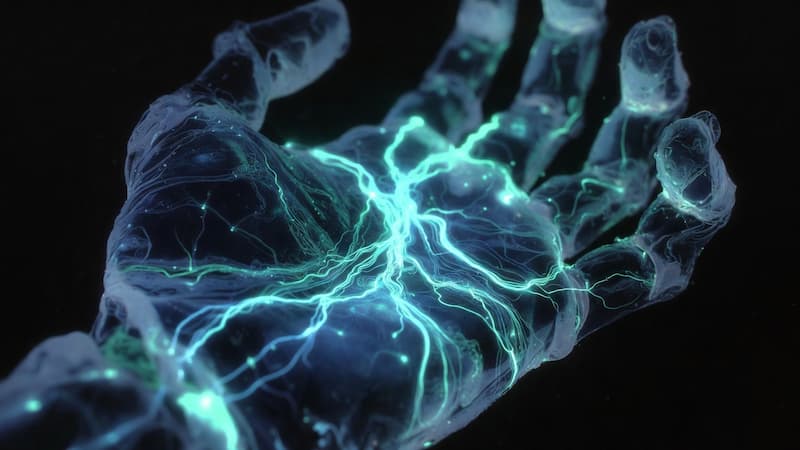
Electronic Skin That Thinks: How Cambridge's Conductive Hydrogel Is Rewriting Robotic Touch
biohybrid-systems

Electronic Skin That Thinks: How Cambridge's Conductive Hydrogel Is Rewriting Robotic Touch

Cambridge engineers built a single-material robotic skin that detects 860,000 signal pathways at once. It's not just a sensor — it's the first serious step toward skin as a distributed biological computer.

Read article →
BIOCOMPUTER

© 2026 BIOCOMPUTER. Independent coverage of biological computing, BCIs, synthetic biology, and the science of life as computation.