
Cortical Labs CL1 vs FinalSpark Neuroplatform: Head-to-Head in 2026 — Which Biocomputer Should You Use?
Cortical's $35k hardware vs FinalSpark's $500/month cloud rental. Full specs, real use cases, and who wins for researchers right now.
Cortical's $35k hardware vs FinalSpark's $500/month cloud rental. Full specs, real use cases, and who wins for researchers right now.

Cortical Labs has opened experimental data centers in Melbourne and Singapore powered by lab-grown neurons — not GPUs. Here's why it matters for the future of computing.

Cortical Labs grew real human neurons on a silicon chip. An independent developer with no biotech background taught them to play a 3D shooter in one week. Here's why that compression of time is the most important signal in computing right now.

Three companies are turning human neurons into working computers — not in theory, not in ten years, but today. Here is what they are building, how it works, and why this is happening in parallel with AI, not after it.
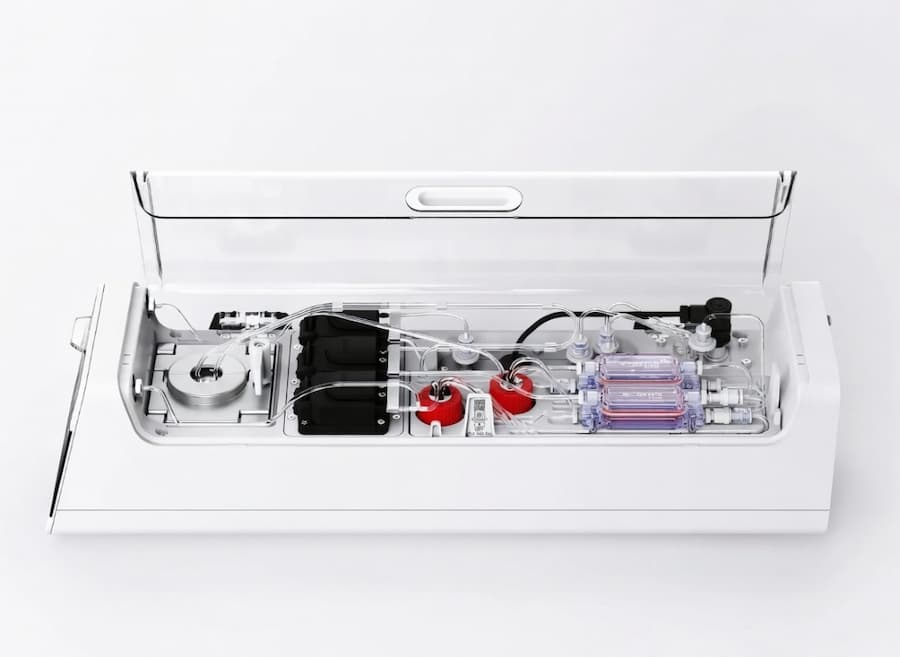
Cortical Labs has launched CL1, the world's first commercially available biocomputing platform. 800,000 living human neurons on a silicon chip, available for $35,000 — or $300 per week via the cloud.