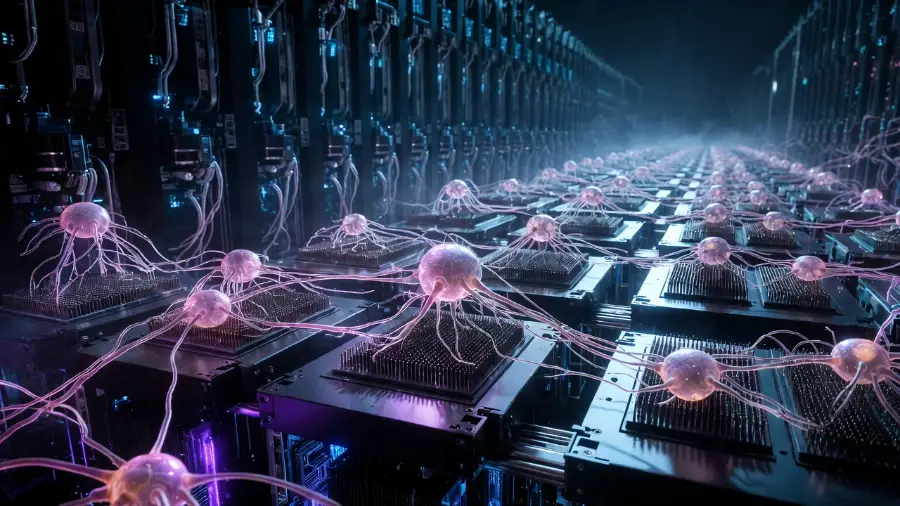
Cortical Labs CL1 vs FinalSpark Neuroplatform: Head-to-Head in 2026 — Which Biocomputer Should You Use?
Cortical's $35k hardware vs FinalSpark's $500/month cloud rental. Full specs, real use cases, and who wins for researchers right now.
Cortical's $35k hardware vs FinalSpark's $500/month cloud rental. Full specs, real use cases, and who wins for researchers right now.
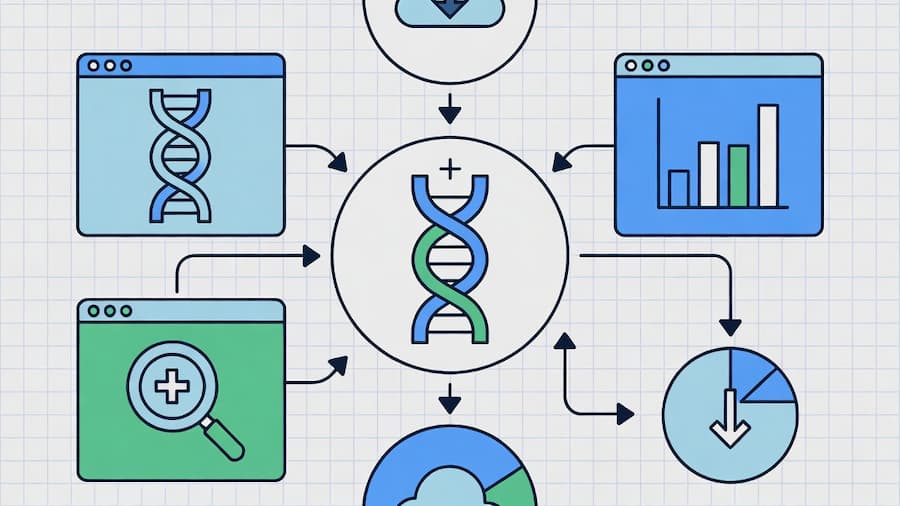
AI has stopped being optional in bioinformatics. In 2026, the field has crossed a threshold — from experiments to production-ready systems that are rewiring drug discovery, genomics, and our entire understanding of life as computation.
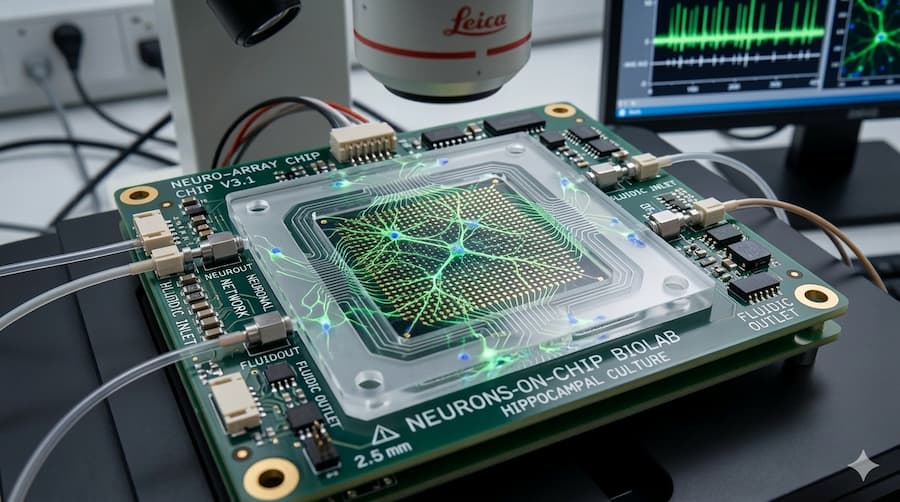
FinalSpark's Neuroplatform gives any researcher cloud access to 160,000 living human neurons via Python API. No wet lab required. This is wetware computing as a service — and it's already live.
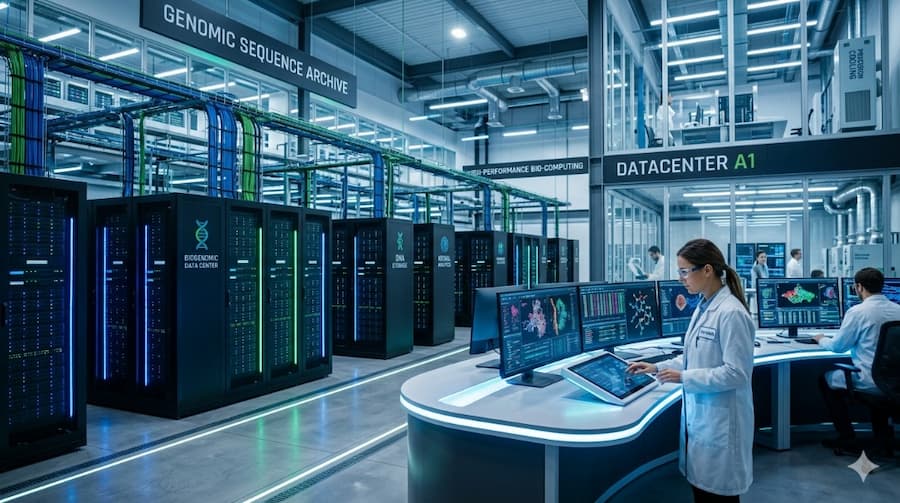
Cortical Labs has opened experimental data centers in Melbourne and Singapore powered by lab-grown neurons — not GPUs. Here's why it matters for the future of computing.
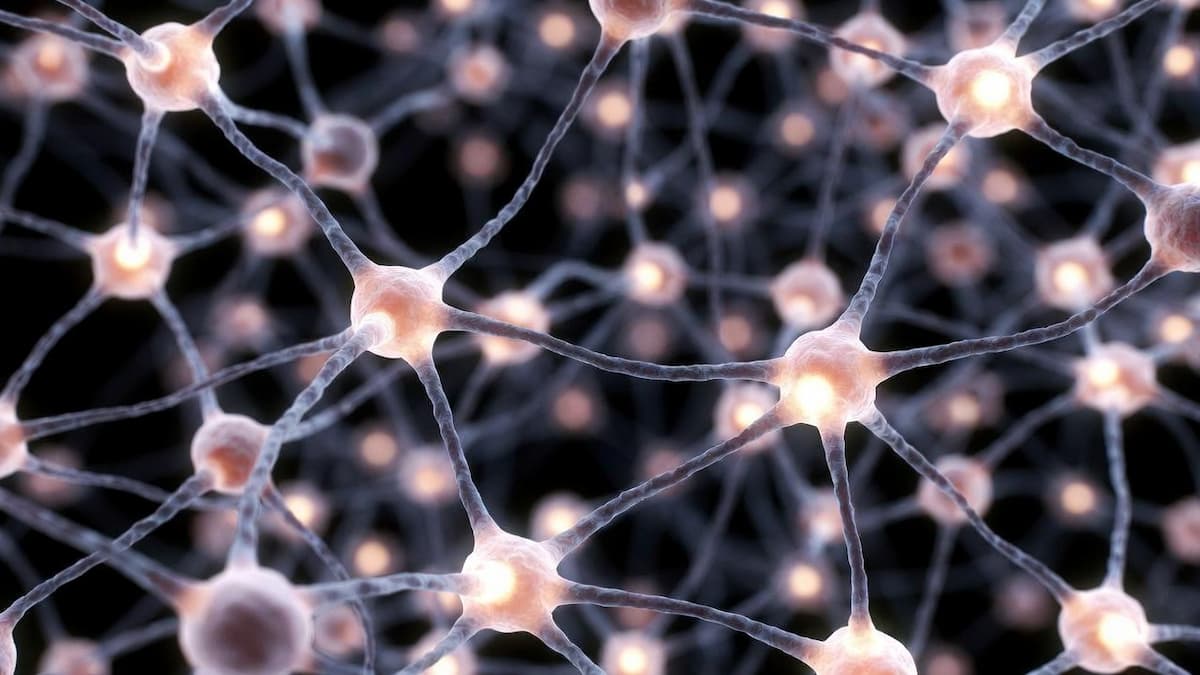
Cortical Labs grew real human neurons on a silicon chip. An independent developer with no biotech background taught them to play a 3D shooter in one week. Here's why that compression of time is the most important signal in computing right now.
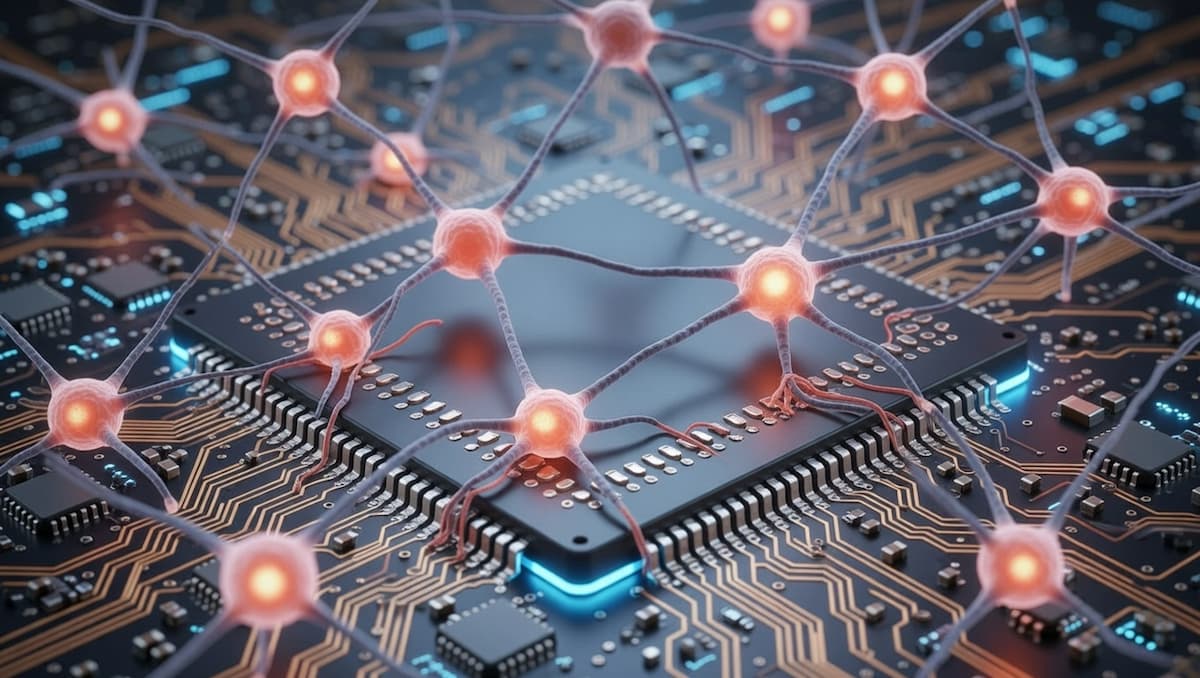
Three companies are turning human neurons into working computers — not in theory, not in ten years, but today. Here is what they are building, how it works, and why this is happening in parallel with AI, not after it.
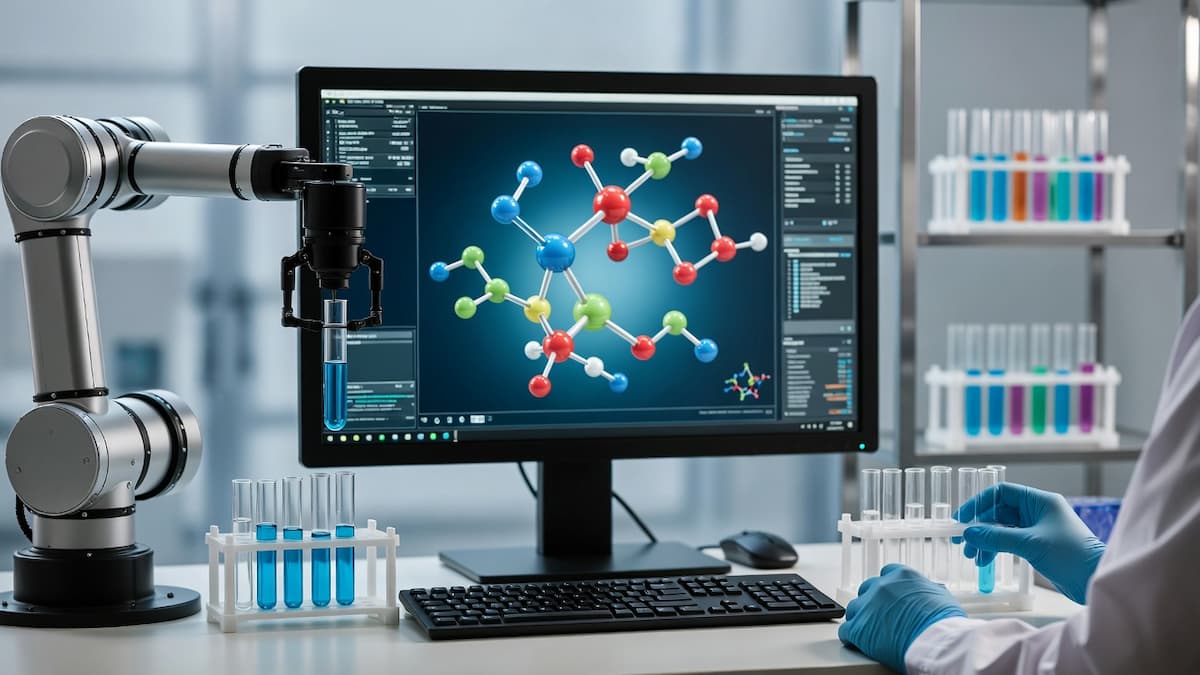
An AI system just correctly diagnosed 85.5% of the most complex medical cases in history — while experienced doctors managed only 20%. Here's what that actually means.

Fingerprints, faces, heartbeats, the way you walk — your biology is becoming the most sophisticated security system ever built. Here's how biometrics actually works, and where it's heading.
Your body already runs the most sophisticated computer on Earth. Now scientists are learning to program it. Here's what DNA computing actually is — and why it matters.