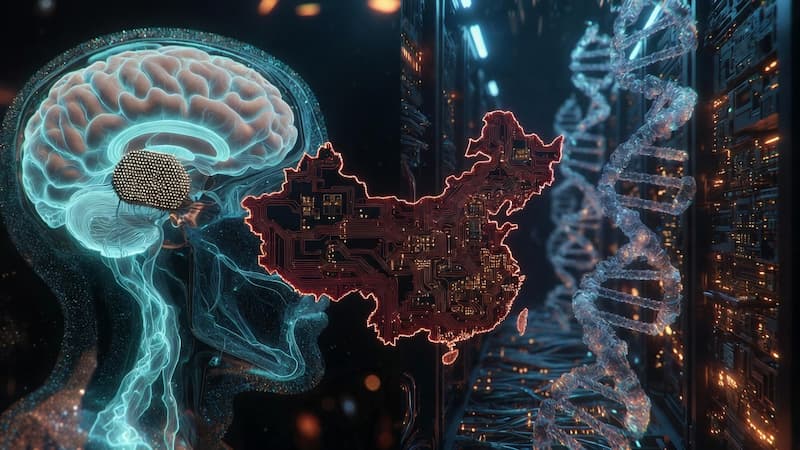
China's Carbon Era: How Beijing Is Betting on Brains and Biology to Win the Compute War
China just approved the world's first commercial invasive BCI. This isn't a research milestone — it's a geopolitical opening move.
China just approved the world's first commercial invasive BCI. This isn't a research milestone — it's a geopolitical opening move.
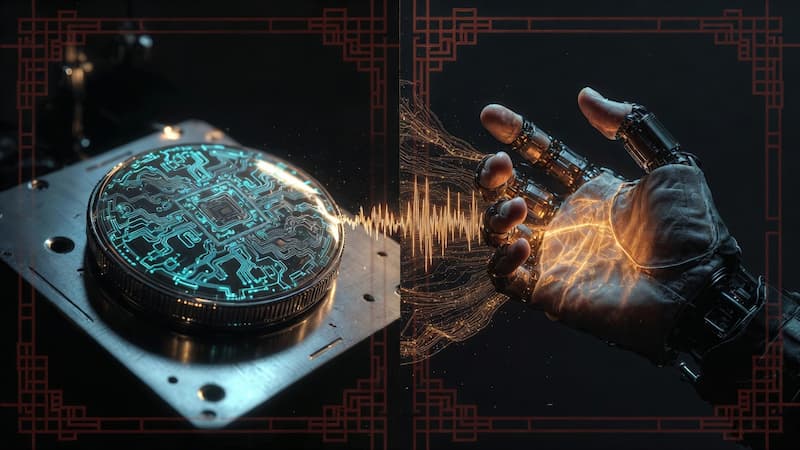
China just commercialized the world's first invasive BCI. While America runs trials, Beijing is implanting devices in hospitals — and building an entire ecosystem around them.
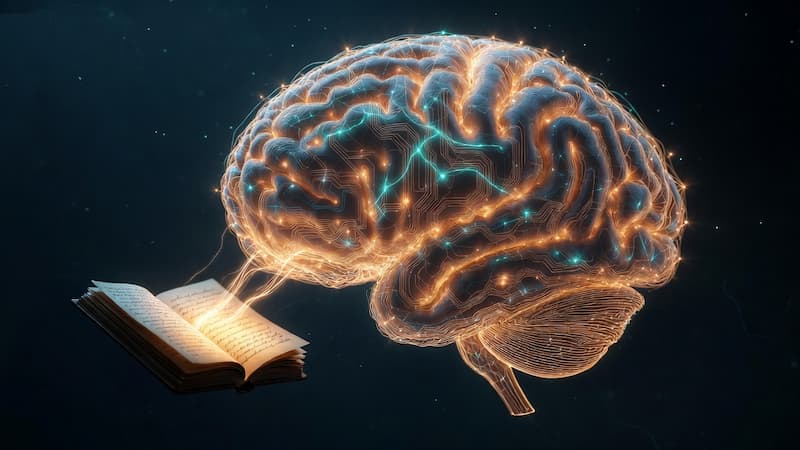
Writing three specific gratitudes daily for 8 weeks creates measurable structural changes in the brain. This isn't self-help mythology — it's neuroplasticity, and it's the cheapest firmware update your biological computer will ever run.
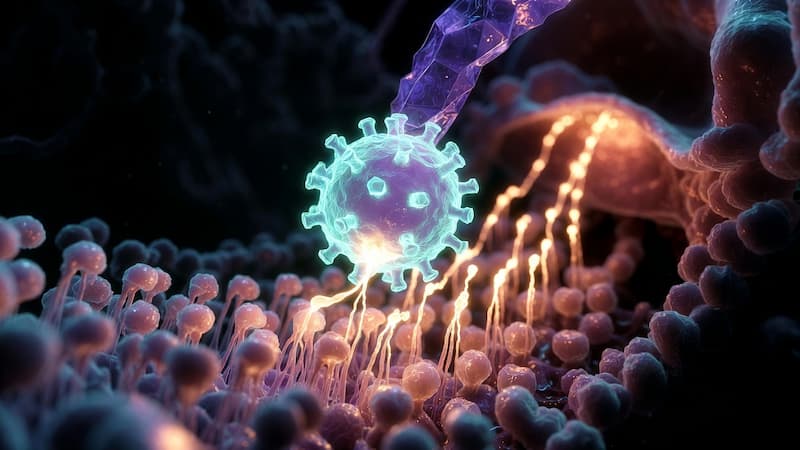
A single AAV injection carrying a working OTOF gene restored hearing in all ten patients born deaf. This isn't medicine. It's a firmware update.
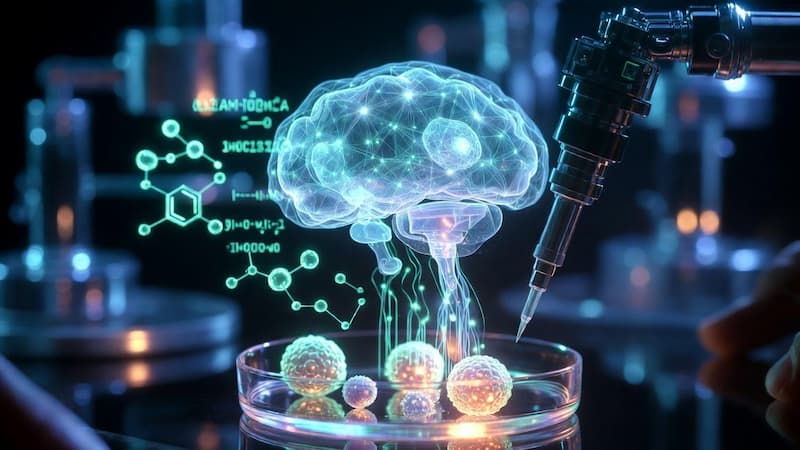
Agentic AI has crossed a threshold in oncology — from pattern-recognition tool to active research collaborator that generates hypotheses, designs experiments, and guides lab workflows.
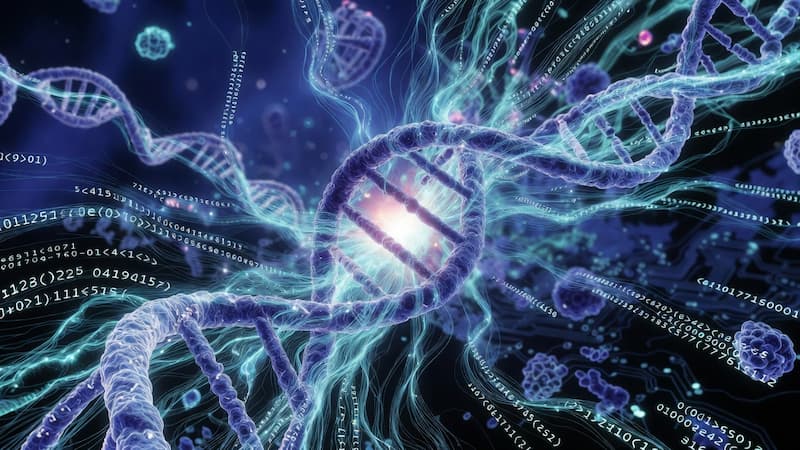
Transformers trained on 123 million bacterial proteins decoded the hidden computational language of antiphage defense. Mordret et al. (Science 2026) just tripled our estimate of genomic defense allocation and validated 12 brand-new systems. This is biology as computation entering its programmable era.
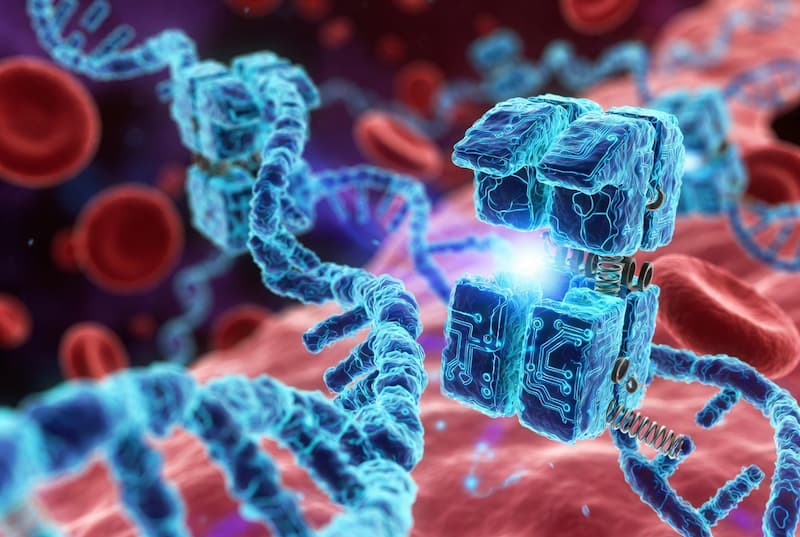
DNA is no longer just a storage molecule — it's the hardware for autonomous nanorobots that sense, compute, and act inside living systems. Here's what the 2025–2026 breakthroughs actually mean.
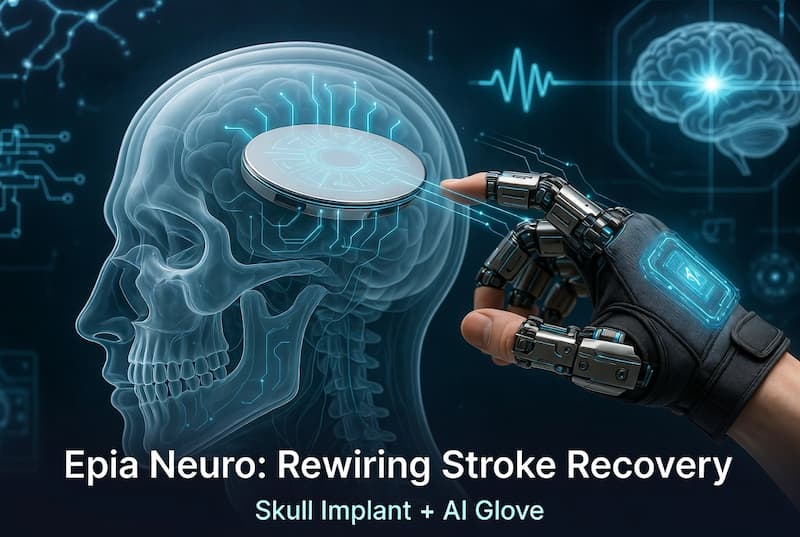
Epia Neuro launched from stealth in April 2026 with a minimally invasive skull implant and motorized glove designed to restore hand function in stroke survivors — not by replacing the brain, but by retraining it.
When AI intelligence becomes a commodity, energy efficiency is the only moat left. The companies that win the next decade will own proprietary wetware — not better software.